
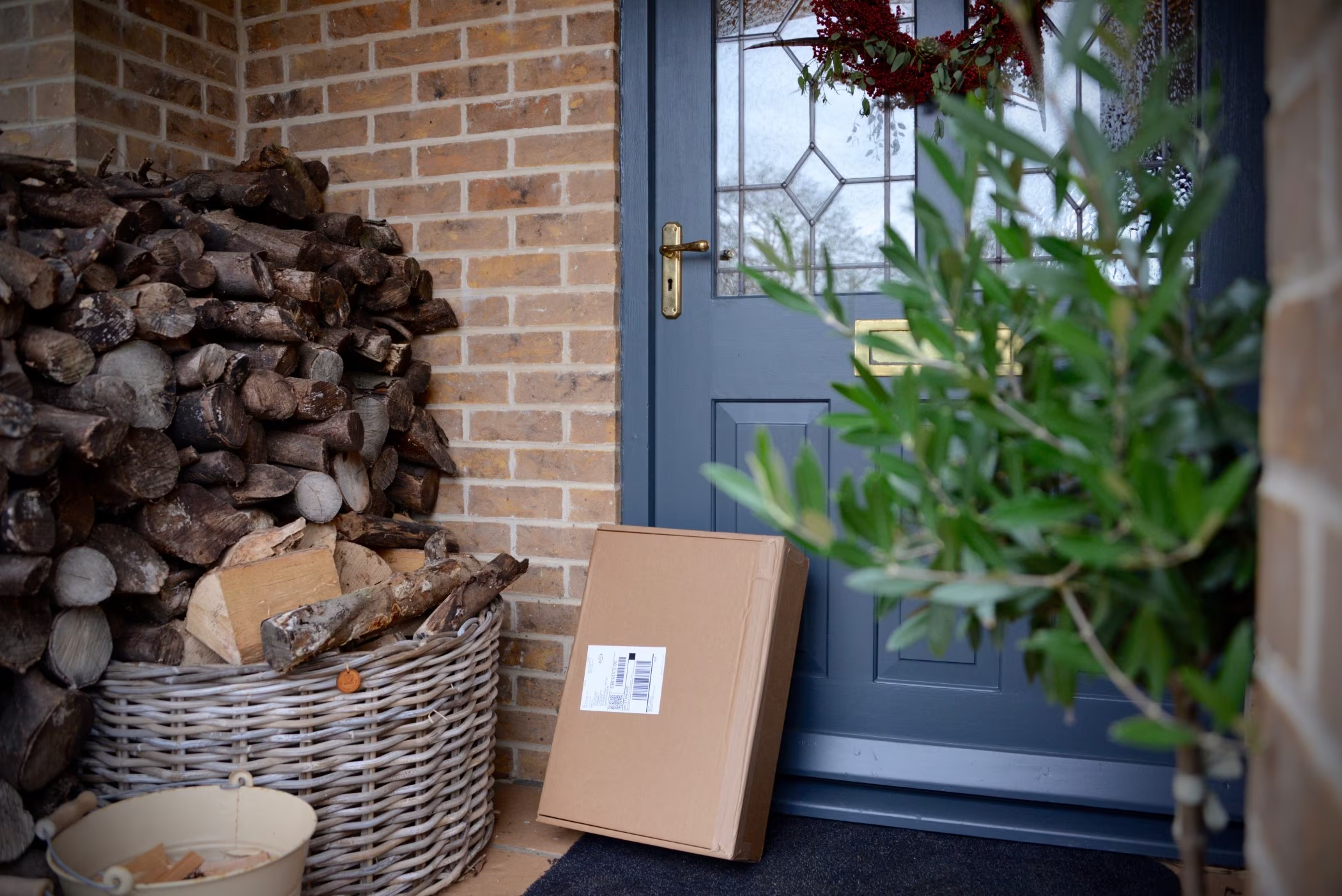
How to disinfect deliveries
As I write the title for this blog, it really strikes me: the strangeness of the world we suddenly live in.
The New Normal
Distancing ourselves from friends and family. Queuing in long nightclub-style lines (but quieter and spaced out), one-out-one-in, for the supermarket. A few weeks ago, the idea of all this would have seemed utterly bizarre. But very quickly this has become the new normal. A neighbour of mine washes the cars on his driveway a few times a week, despite the fact they’re barely moving – just out of boredom.
But here we are, living through the pandemic that many say has been due for some time. And we’re quickly used to strange protocols. Giving everyone we meet while out for exercise an almost comically wide berth. Washing our hands a few dozen times a day. And regarding everything that Comes From Outside with suspicion and even fear.
What is a Coronavirus?
The Coronavirus has been described in many places and in some detail. It’s a tiny parasite, existing, like all viruses, in the realm of the zombie: neither dead nor alive. Each particle of the pathogen is a tiny string of RNA – RiboNucleic Acid – the material cells use to produce molecules of protein from DNA – DeoxyriboNucleic Acid. This is wrapped in a lipid coating – a layer of fat. Around this is the structure of protein ‘spikes’ that give coronaviruses their name: the appearance of a crown around its spherical form. Covid-19 is the most recently-discovered form of Coronavirus.
So, what can we do to keep safe from infection?
The structure and composition of Covid-19 makes it able to survive (remain a viable threat) in a variety of locations, but it is known to have a limited lifespan on hard surfaces. The length of time and its capacity to be passed on through touch appears to depend on the surface, but it can be from a few hours to a few days.
How dangerous are delivered packages?
That said, the risk to you of infection from a surface touched by an infected person is low. It will depend on your general state of health, but also a great deal on viral load. A small amount of the virus is unlikely to cause infection for the average person. However, to be certain, particularly if you are more vulnerable, there are a few options to ensure items are not infectious.
Disinfectant spray
If you’ve received an item in a box or package, you can bring the item into your home and simply spray with a disinfectant before wiping down and then opening. Avoid touching any part of your face while you do this, and once unpacked, discard any packaging not required to store the item in the recycling or waste bin, then wash your hands thoroughly with warm water and soap.
Sunshine
Ultraviolet light is effective in killing the virus, so simply leaving an item in a sunny spot for a while will help to render any residual pathogens harmless.
Heat
If the item can be heated, a warm oven (60ºC is hot enough) for a minute will destroy the virus. Handle carefully or allow to cool. For the extremely paranoid, this is something you could do with delivered food like boxed pizza or indian food – but don’t put flammable packaging like paper, plastic or cardboard in gas ovens!
Follow the advice
All the guidelines from health organisations and government information (links below) indicate that, if you maintain a physical distance of at least 2m from people not in your household, avoid touching your face when out of the house and wash or sanitise your hands regularly and follow the simple precautions above, you will greatly reduce the risk of catching Covid-19.
Do stay safe and well. Best wishes to you and your friends and family during this crisis.
More information about Coronavirus Covid-19
For more information, please do carefully read the advice from these organisations (and avoid the social media rumour-mill!):
UK Govt: https://www.gov.uk/coronavirus
NHS: https://www.nhs.uk/conditions/coronavirus-covid-19/
WHO: https://www.who.int/emergencies/diseases/novel-coronavirus-2019